Revamp Your Plate With These Healthy Ingredient Swaps
- Joey Joy
- Nov 23, 2024
- 4 min read

Eating healthy doesn’t have to feel like a chore. With a little creativity and some simple ingredient swaps, you can enjoy flavorful meals that also nourish your body. In this post, you'll discover practical and exciting alternatives to common ingredients that will help you revitalize your meals. Let’s jump right in!
Swap White Rice for Quinoa
One of the simplest ways to make a meal healthier is by replacing white rice with quinoa.
Quinoa is a powerhouse grain packed with 8 grams of protein and 5 grams of fiber per cup. Unlike white rice, which often loses its nutrients during processing, quinoa is a whole grain that helps provide sustained energy. In fact, quinoa contains all nine essential amino acids, making it a complete protein source.

Cooking quinoa is a breeze! Simply rinse, boil, and let it simmer for about 15 minutes. Use it as a base for veggie bowls, salads, or even as a side dish paired with grilled chicken or fish. Your body will appreciate the boost of nutrients.
Replace Cream with Greek Yogurt
If you're craving a rich and creamy sauce, consider swapping heavy cream for Greek yogurt.
Greek yogurt has a creamy texture but only has 100 calories and 4 grams of fat in a typical 5-ounce serving, compared to nearly 400 calories and 40 grams of fat in the same amount of heavy cream. Plus, it’s rich in protein (about 15 grams) and probiotics, which support gut health.

Use Greek yogurt in marinades, dressings, or as a dip. For example, mix it with diced cucumbers, garlic, and dill for a refreshing tzatziki sauce. You’ll lighten up your dishes while enhancing their nutritional content.
Choose Whole Wheat Pasta Instead of Regular Pasta
Carb lovers don’t need to feel guilty anymore—whole wheat pasta is a fantastic alternative to regular pasta.
Whole wheat pasta retains more nutrients and fiber, helping with digestion and keeping you satisfied for longer. It contains approximately 6 grams of protein and 5 grams of fiber per serving, compared to 2 grams of fiber in traditional white pasta.

The nutty flavor of whole wheat pasta pairs perfectly with a variety of sauces. Try tossing it with fresh vegetables and a light tomato sauce for a wholesome meal that delights your taste buds.
Weigh the Benefits of Olive Oil Over Butter
When it comes to cooking oils, consider replacing butter with olive oil.
Olive oil is rich in monounsaturated fats, which can support heart health. Studies show that diets high in olive oil can reduce the risk of heart disease by 30%. It also contains antioxidants that fight inflammation.
You can drizzle olive oil over salads, use it for sautéing vegetables, or even drizzle it over fish before baking. Its versatility makes it ideal for a variety of dishes.
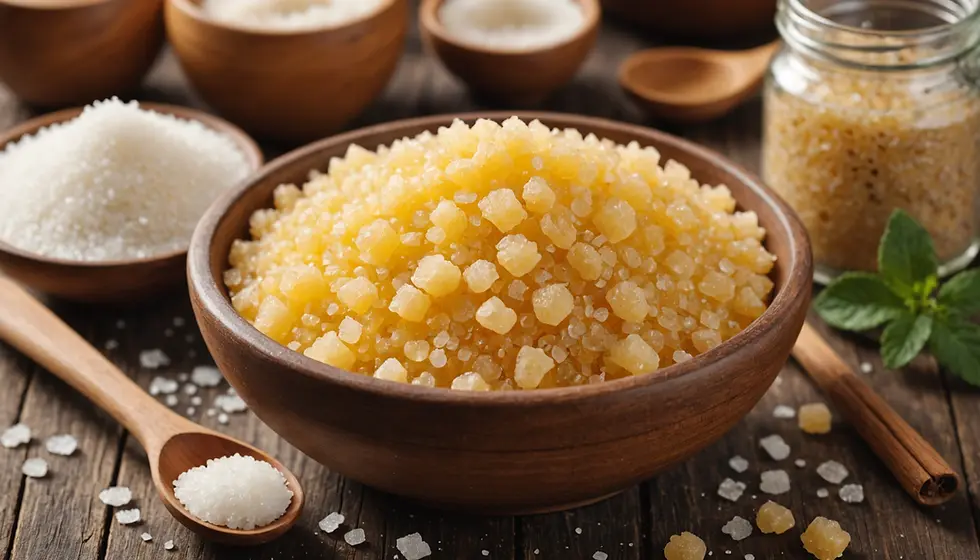
Swap Sugar with Natural Sweeteners
Struggling with sweetening your favorite treats? Trade refined sugars for natural sweeteners.
Options like honey, maple syrup, and agave nectar not only provide sweetness but also bring their own unique tastes and nutrients. Using ripe fruits like bananas or applesauce can also boost flavor in baked goods. Replacing sugar with mashed bananas in your pancakes can reduce added sugars by up to 40% while enhancing moisture and flavor!
This switch means you can enjoy a naturally sweet taste without experiencing the energy crash that often follows refined sugars.
Use Avocado Instead of Mayonnaise
For those who adore creamy textures, mayonnaise can be hard to resist. However, it has unhealthy fats and added sugars. Instead, reach for avocado!
Avocado is rich in healthy fats, vitamins, and minerals. A single avocado contains 20 grams of healthy fat and is a great source of potassium. Its creamy texture is perfect for sandwiches or salads.
Spread smashed avocado on whole-grain toast or mix it into your favorite chicken or tuna salad for a flavorful twist!
Switch to Nut or Seed Butters from Typical Spreads
Are spreads a staple in your breakfast routine? Replace processed spreads with nut or seed butters.
Almond butter, cashew butter, or sunflower seed butter offer healthy fats, protein, and dietary fiber. They are packed with vitamins and minerals, making them a healthier choice than typical spreads. For example, just two tablespoons of almond butter provide about 6 grams of protein and are a great source of Vitamin E.

Slather nut butter on toast, blend it into smoothies, or use it as a dip for apples. You’ll enjoy delicious flavors while nourishing your body!
Opt for Fresh Herbs Over Salt
Want to amp up the flavor of your dishes without relying on high-sodium seasonings? Fresh herbs are your new best friend!
Herbs like basil, cilantro, and parsley brighten any meal while packing in vitamins and antioxidants. Replacing salt with fresh herbs can cut your sodium intake by a staggering 50% or more, which is crucial for maintaining healthy blood pressure levels.
Sprinkle fresh herbs onto salads, pastas, or roasted vegetables to add an aromatic touch and transform everyday dishes into delightful culinary creations!
Embrace Healthier Choices
Revamping your meals can be simple and rewarding. By making smaller ingredient swaps, you support your health without sacrificing flavor. Integrate these substitutions into your cooking, and enjoy meals that are both satisfying and nourishing.
Next time you’re in the kitchen, consider how you can make your plate healthier and still delicious! Your taste buds—and your health—will thank you.
Happy cooking and enjoy your revamped plate!


Comments