Healthy Baking Substitutes to Elevate Your Recipes
- Joey Joy
- Nov 23, 2024
- 4 min read

Baking is a joyful activity that can fill your home with warmth and delightful aromas. However, traditional baking methods often lead to heavy and unhealthy results. Fortunately, there are plenty of healthy baking substitutes that can enhance your recipes without sacrificing flavor or texture. Whether you're aiming to cut down on sugar, fat, or refined flour, this guide will highlight excellent alternatives to improve your baking.
Reasons to Embrace Healthy Baking Substitutes
Using healthy substitutes in baking not only boosts the nutritional value of your treats but also caters to various dietary preferences. Many people aim to reduce their intake of certain ingredients, such as gluten or refined sugar, due to allergies or health-conscious choices. By incorporating healthier alternatives, bakers can create indulgent goodies that everyone can enjoy.
1. Flour Alternatives
Flour is a key ingredient in baking, but there are numerous alternatives that offer diverse flavors and nutrition profiles.
Whole Wheat Flour
Whole wheat flour is an excellent substitute for all-purpose flour. It retains the bran and germ of the wheat kernel, providing more fiber and nutrients. For instance, replacing just half of the white flour in your recipe with whole wheat flour can increase fiber content by as much as 50%, promoting better digestion.

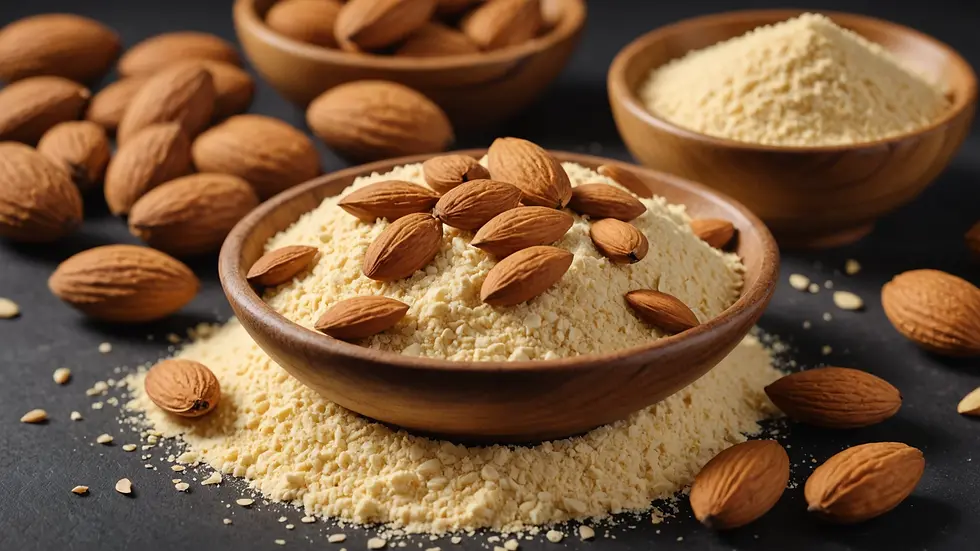
Almond Flour
Almond flour is a fantastic gluten-free option that adds a rich, nutty flavor. It's lower in carbs—approximately 20 grams of carbohydrates per 100 grams—compared to traditional flour, making it a great choice for those on ketogenic or paleo diets.
Coconut Flour
Coconut flour is a powerhouse ingredient that absorbs moisture well, meaning you can use less of it in recipes. With high fiber content—about 40% by weight—it not only lends a subtle coconut flavor but is a smart choice for health-conscious bakers.
2. Sweetener Substitutes
Sugar contributes to excessive calories and raises blood sugar levels, making it a common target for healthy baking. Here are some better sweetener options:
Honey or Maple Syrup
Natural sweeteners like honey or maple syrup do more than just sweeten. They provide antioxidants and minerals, making them better choices than refined sugar. For example, switching from sugar to honey can reduce calorie content by about 25%, depending on the recipe. Just remember to cut down on other liquids in your recipe to maintain the desired consistency.
Stevia
Stevia is a calorie-free sweetener derived from the leaves of the stevia plant, offering sweetness without the calories. It's about 50 to 300 times sweeter than sugar, so use it sparingly to avoid overpowering your baked goods.
Applesauce
Unsweetened applesauce is a great way to moisten baked goods while reducing sugar content. For example, replacing half the sugar in your muffins with applesauce not only reduces calories but also adds moisture and nutrients.
3. Fat Replacements
Fats are essential for flavor and moisture in baking, but they can also add unnecessary calories. Here are some healthier replacements.
Greek Yogurt
Swapping Greek yogurt for oil or butter can cut fat while boosting protein content. For instance, using 1 cup of Greek yogurt instead of butter can save about 700 calories in a typical baking recipe. This option works particularly well in cakes and muffins.

Avocado
Ripe avocados can replace butter, lowering saturated fat and adding healthy fats. Using 1 cup of mashed avocado can cut calories by about 200 while enhancing the creaminess of your treats.
Unsweetened Nut Butters
Nut butters, such as almond or peanut, are fantastic butter alternatives that increase protein and healthy fat content. For example, replacing butter with 1 cup of almond butter can add about 30 grams of protein to your batch of cookies.
4. Egg Substitutes
Eggs are vital for binding and moisture in baking, but not everyone consumes them. Thankfully, there are effective substitutes available.
Chia Seeds
You can create a vegan egg substitute by mixing chia seeds with water. One tablespoon of chia seeds combined with three tablespoons of water can replace one egg, adding omega-3 fatty acids and fiber to your recipe.
Flaxseed Meal
Similar to chia seeds, flaxseed meal can replace eggs as well. Mix one tablespoon of flaxseed meal with three tablespoons of water. Let it sit until it thickens. This substitution is high in lignans, which have antioxidant properties.
Silken Tofu
Blending silken tofu creates a smooth texture similar to that of eggs. Use 1/4 cup of blended silken tofu as a replacement for one egg. This is particularly useful in brownies and dense cakes for added moisture.
5. Dairy Alternatives
If you're avoiding dairy, there are many delicious plant-based options available.
Almond Milk
Almond milk is a popular substitute for cow's milk in baking. It is generally lower in calories and adds a light flavor. Opt for unsweetened versions to keep sugar levels in check.
Coconut Milk
Coconut milk can enrich your baked goods with a creamy texture and delicious flavor, especially for tropical-themed desserts. It typically contains 50% more fat than regular dairy milk, enhancing moistness.
Soy Yogurt
Using soy yogurt in place of regular yogurt can help you maintain moisture in your recipes. Choose unsweetened versions that are fortified for additional nutritional benefits.
Embracing Healthier Baking
Healthy baking substitutes empower you to create delicious treats while accommodating dietary preferences. These alternatives allow you to explore new flavors and textures, leading to innovative recipes that delight without guilt.
Next time you're ready to bake, consider trying some of these healthy substitutes. With a little creativity and willingness to experiment, you can satisfy your cravings while nourishing your body. Happy baking!


Comments